
The moment the weather turns unpredictable, most of us default to the same old habit: add clothes until we feel warm enough, and worry about how it looks later. It’s an understandable instinct, but it’s usually the reason a layered outfit reads as “heavy” rather than feeling effortless. The good news is that ‘good layering’ isn’t about owning more pieces or a bigger wardrobe budget — it’s about a handful of small decisions, made in the right order. Get those right and the same five staples you already own will carry you through the whole of Autumn.
Avoid Getting the Order Backwards
Over 40, the appeal of layering isn’t the aesthetic alone — it’s the practicality: one outfit that survives a chilly morning commute, an overheated office, and drinks after work without a full change of clothes. That flexibility only works, though, if the layers are chosen with a system in mind rather than added at random, and it’s the randomness — not a lack of good clothes — that trips most of us up. These are the eight habits worth unlearning and what to do instead.
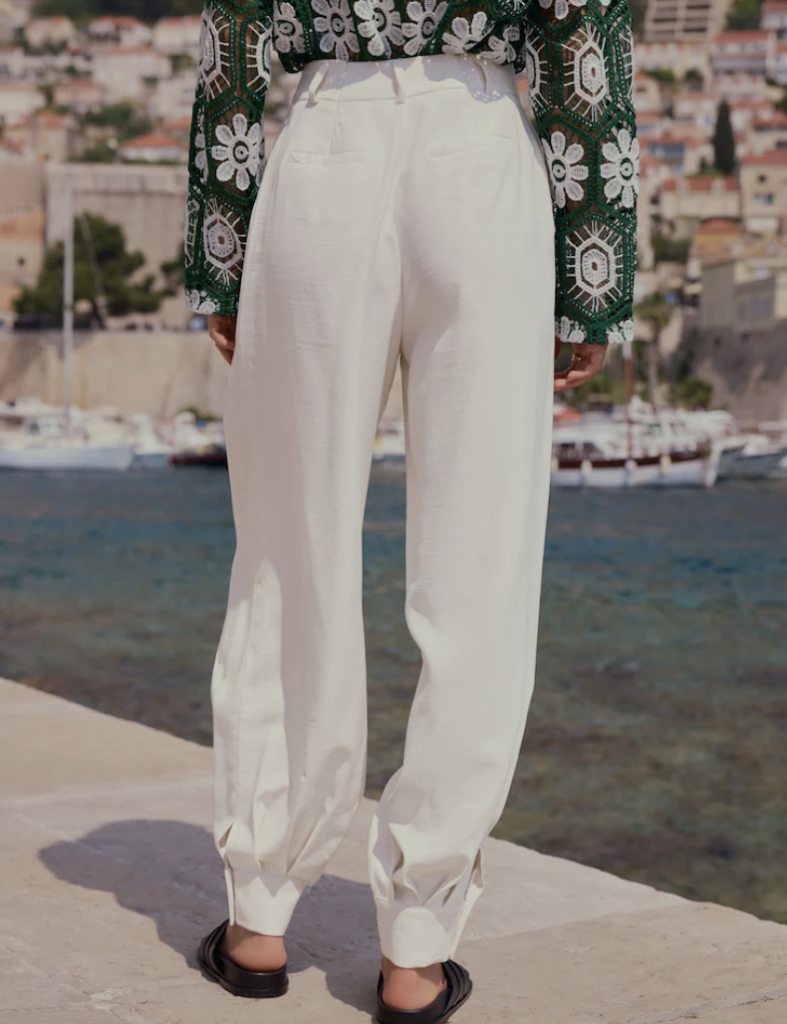
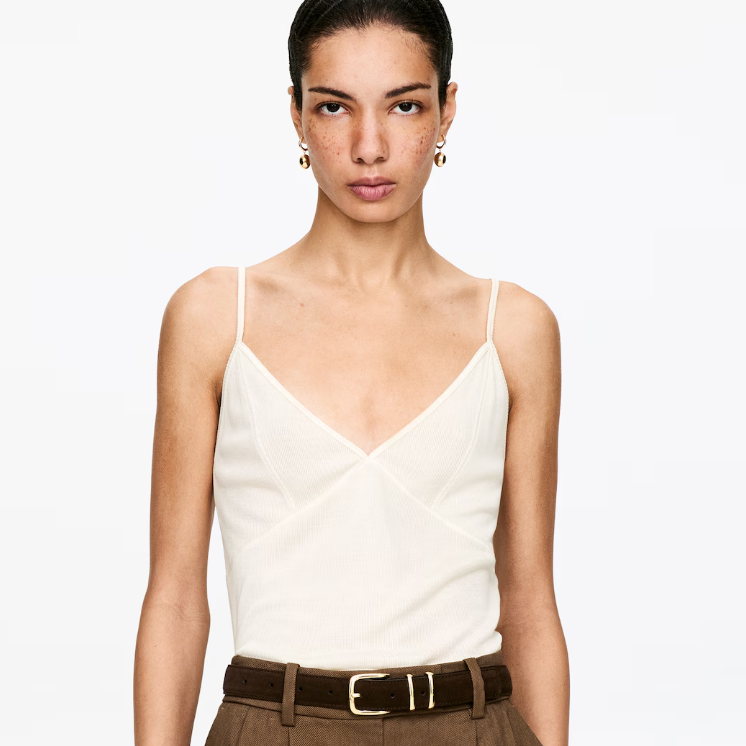
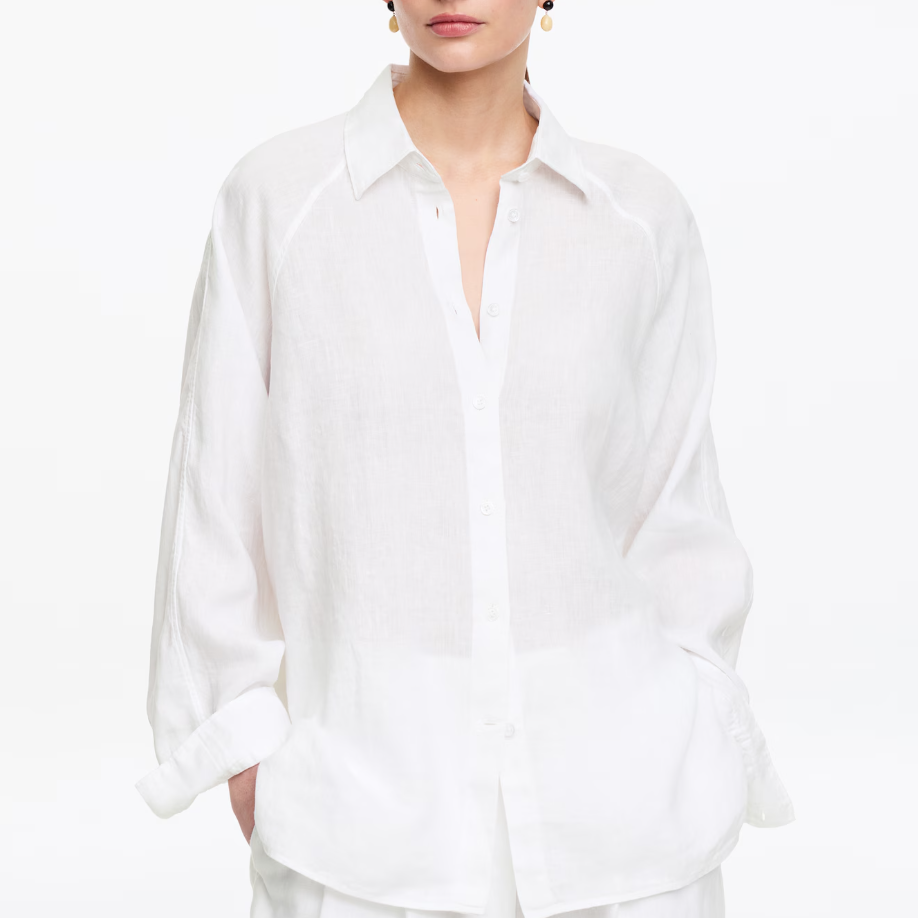
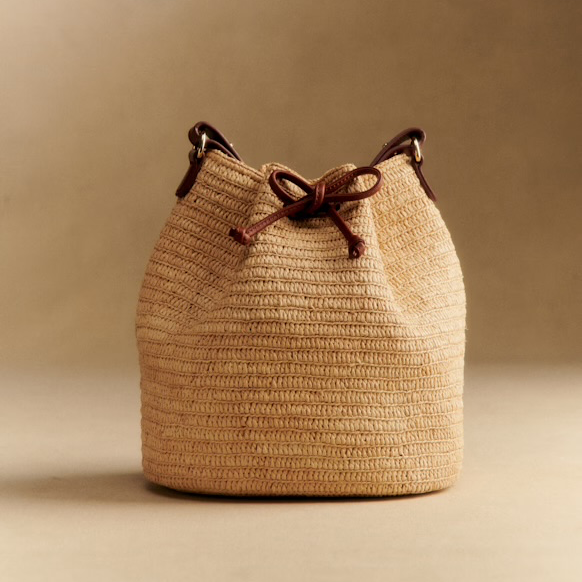
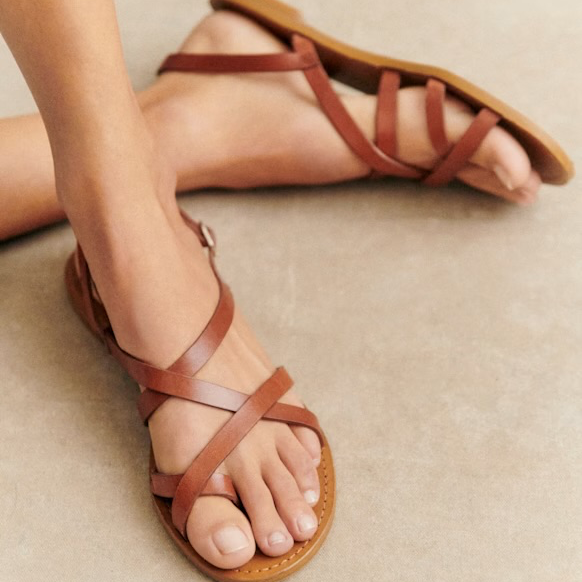
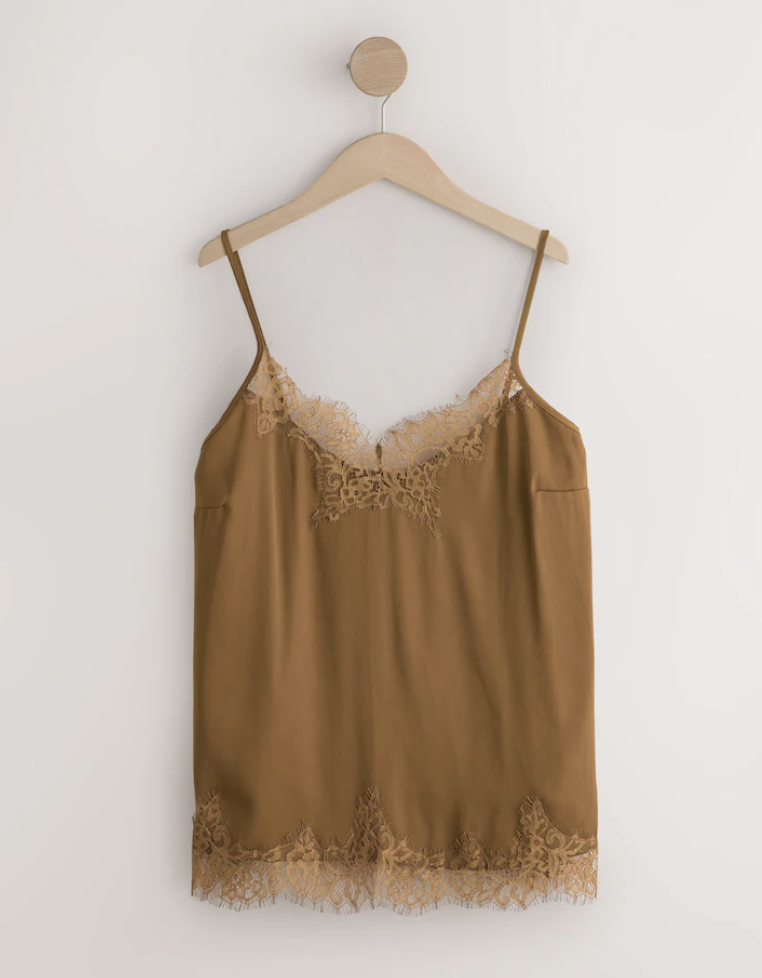
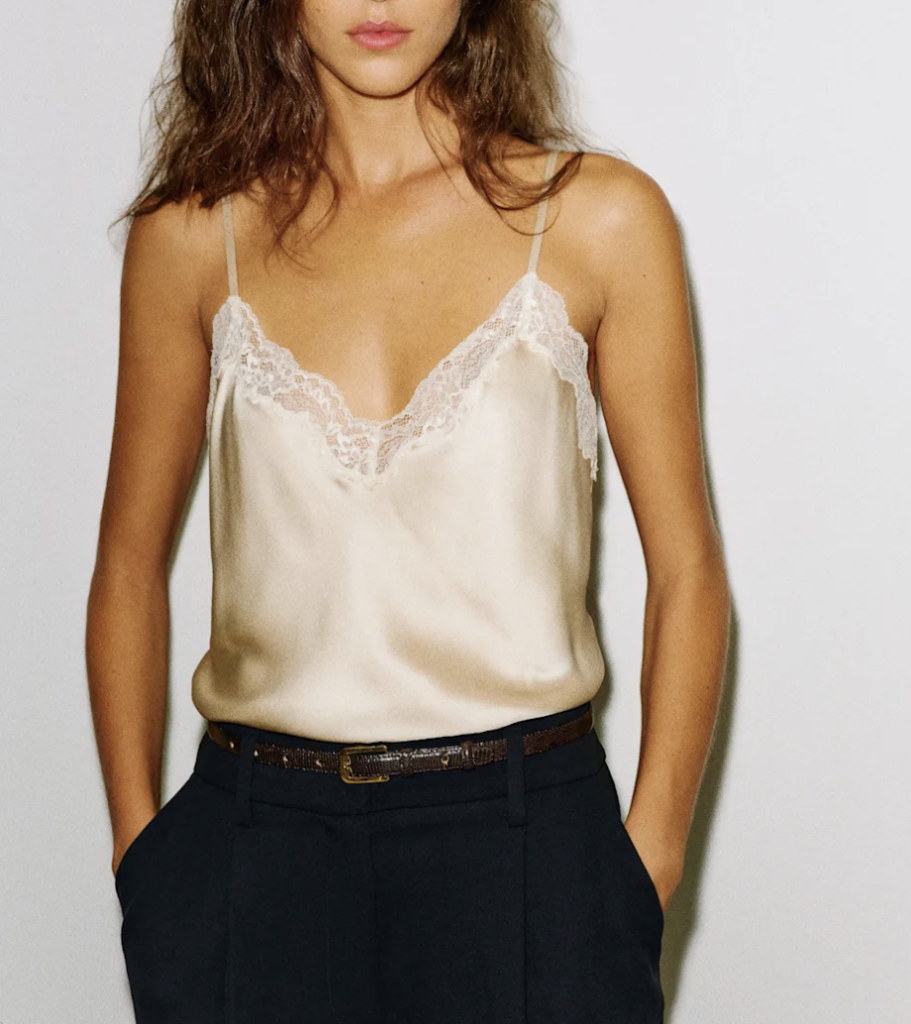
The instinct is to grab whatever’s nearest and pile it on. The fix is simpler than it sounds: thin under thick, every time. Start with the lightest, most next-to-skin layer — a fine silk cami, a lightweight rollneck — and build outward in increasing weight, finishing with your heaviest piece (a wool coat, a boxy blazer, a leather jacket) on the outside.
Do it the other way round and you’ll feel it immediately: a thick jumper trapped under a fitted jacket bunches at the elbows and strains across the shoulders, and nothing sits the way it was cut to sit. Working from thin to thick also means each layer can actually be seen — the point of layering in the first place — rather than disappearing under the next.
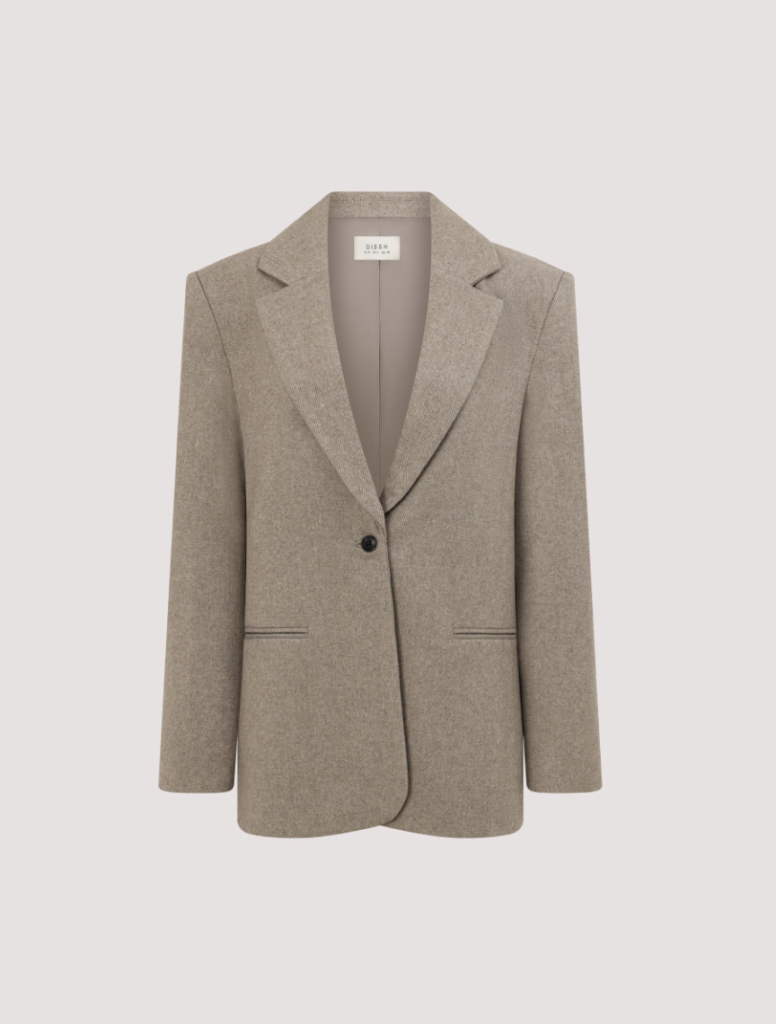
Try this: lay your planned outfit out on the bed before you dress, lightest piece on the left, heaviest on the right. If you can’t put them on in that order without stopping to adjust, the pairing needs rethinking. In practice, that might look like a silk cami, a fine merino roll-neck, and an oversized wool blazer on top, three pieces, each one visibly doing a different job, rather than two jumpers fighting for the same space.
Avoid Not Having a Clear Anchor Piece
A layered outfit with four or five pieces all fighting for attention never reads as intentional — it reads as indecisive, however good each individual item is. The fix is to choose one piece to lead the outfit and let everything else support it quietly.
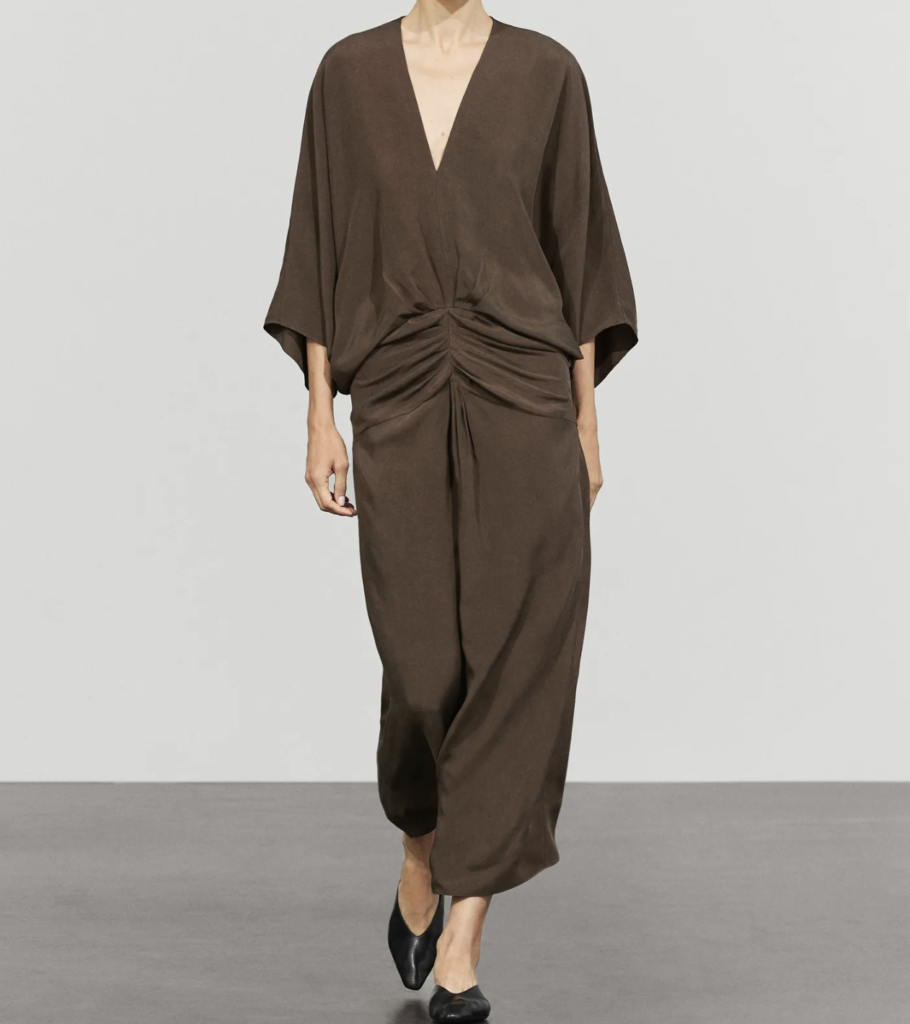
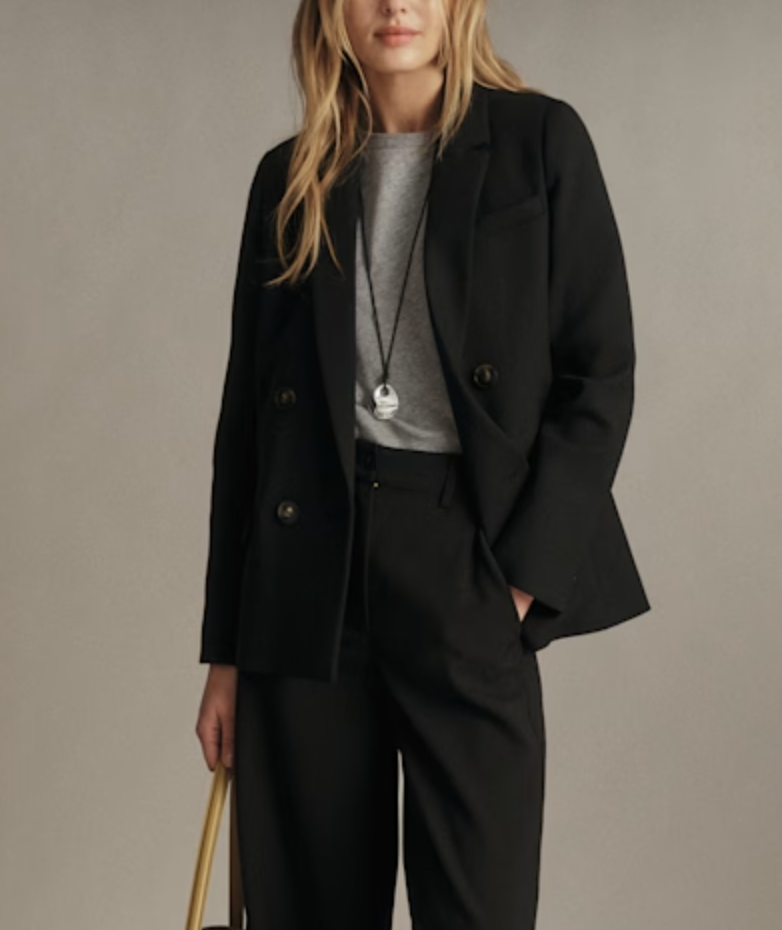
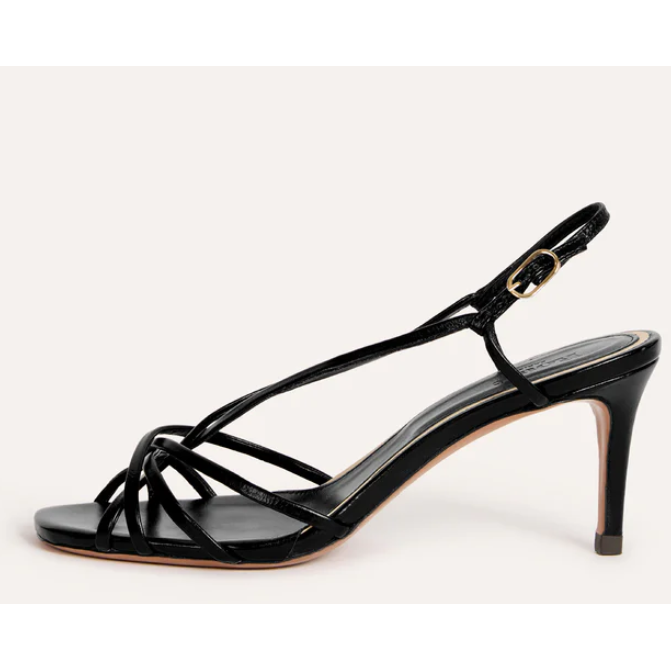
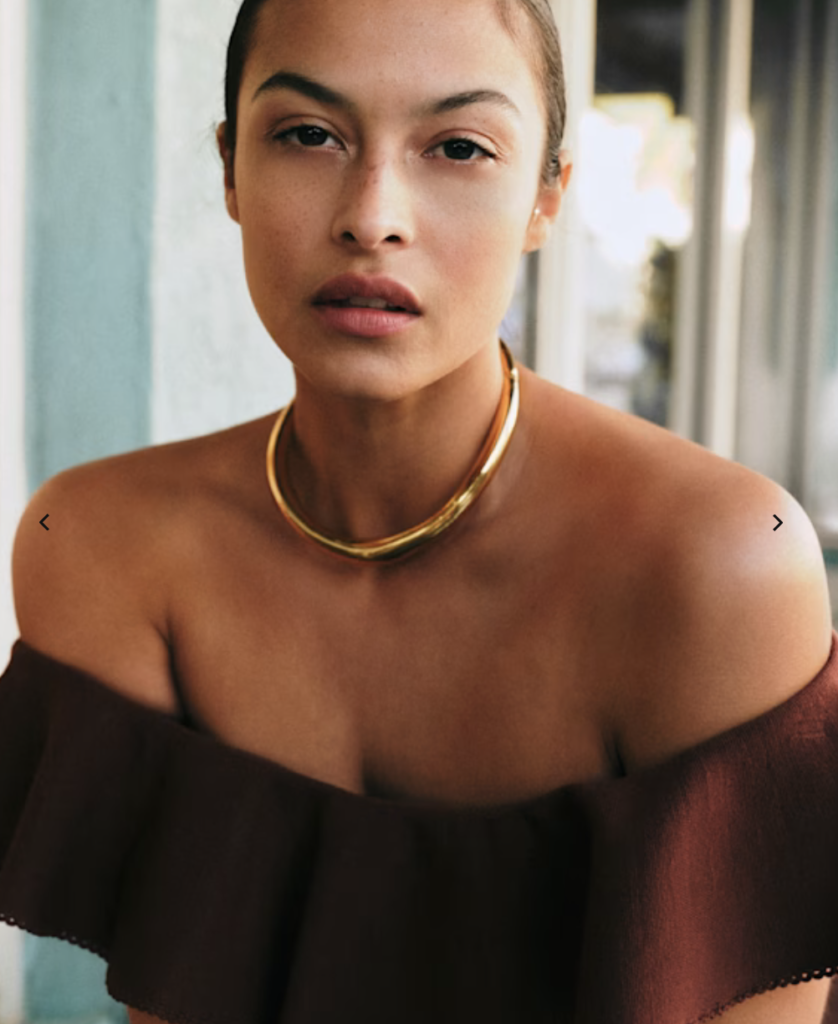
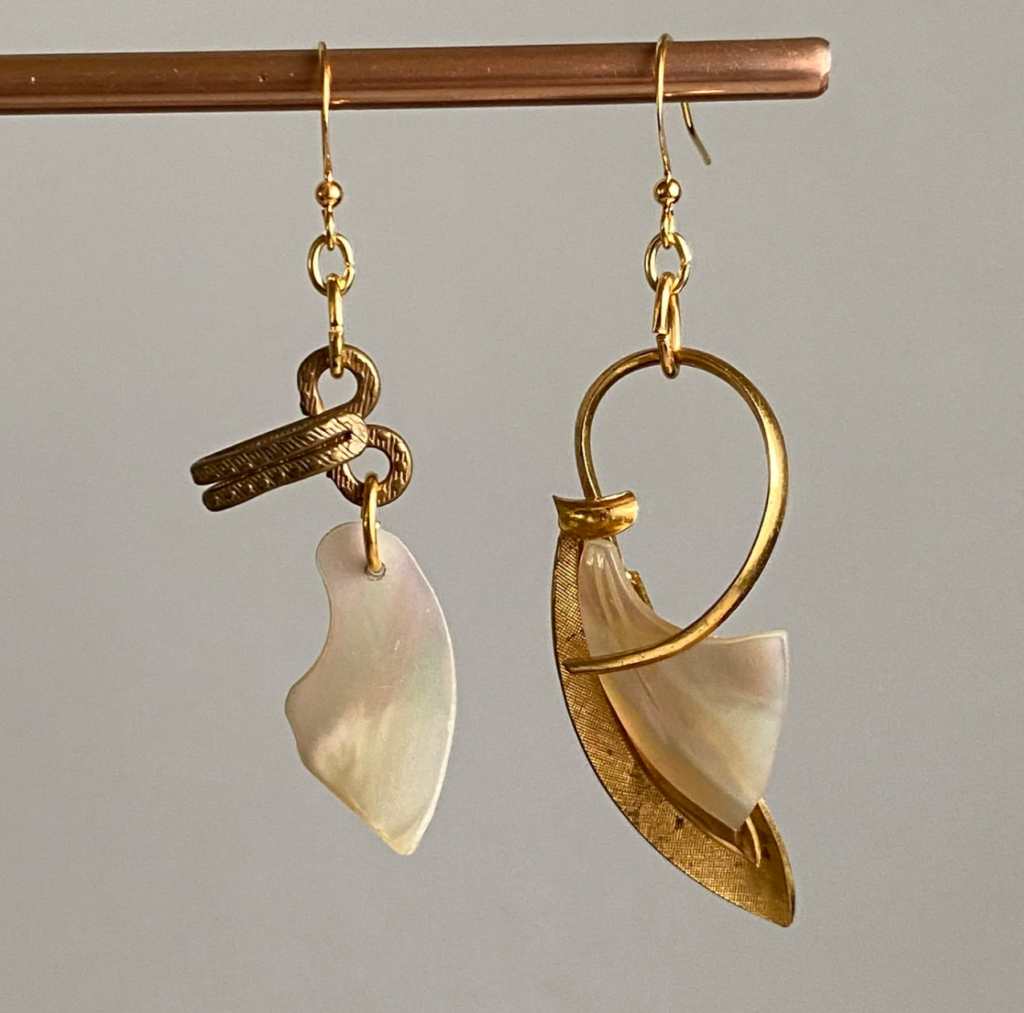
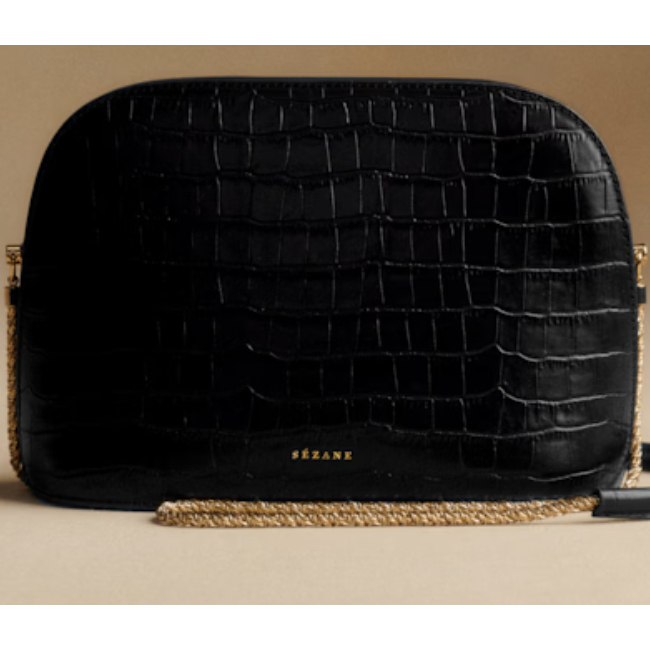
That anchor might be a bold coat, a tailored blazer, or a dress worn under a cardigan — it doesn’t matter which, as long as only one piece is doing the talking. Everything else should be pared back: neutral tones, simpler shapes, nothing with its own competing print or silhouette. This is a trick that stylists lean on constantly, and it’s the fastest way to make a layered outfit look considered rather than accidental, without changing a single item you already own.
A useful test: if someone described your outfit back to you in one sentence, would there be an obvious “main character”? “A camel coat over a plain black dress” is an anchor piece at work. “A patterned scarf, a striped jumper, a checked coat and printed trousers” is four items competing for the same sentence — and the eye — with nothing to rest on.
Avoid having a single hemline
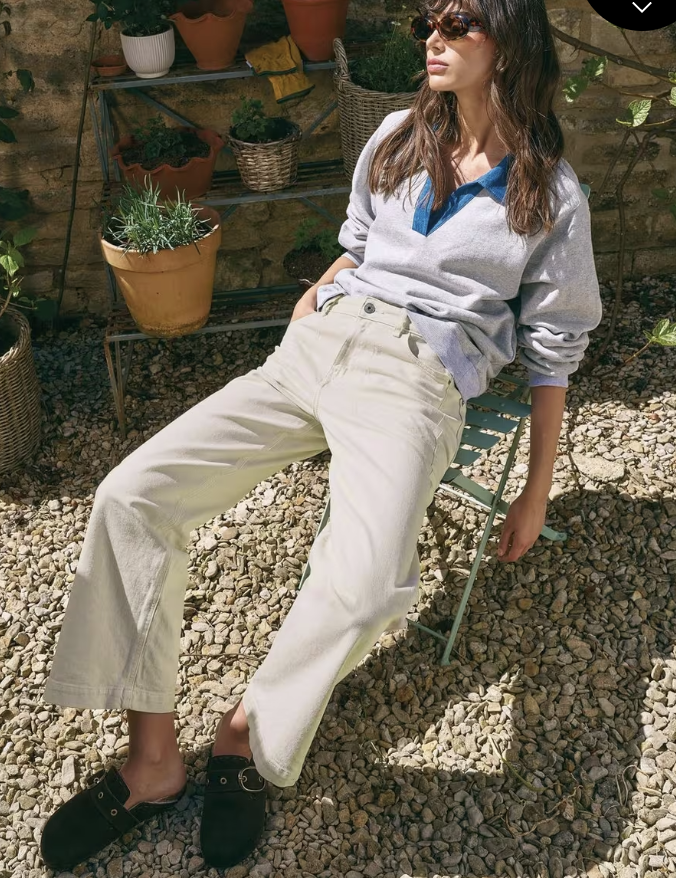
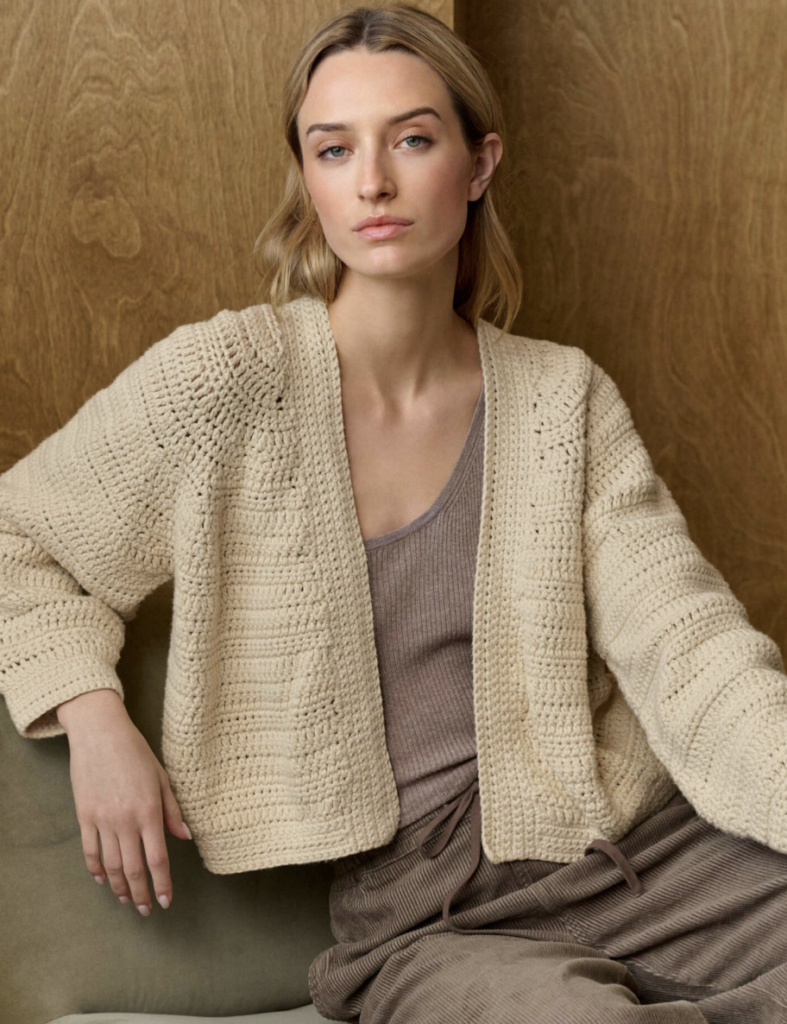
Layers cut to a similar length, stacked on top of each other, flatten the whole silhouette and read as bulky rather than feeling like they flow. Even when every piece is beautiful on its own. Vary your hem lengths instead, so a cropped knit sits over a longer shirt, or a shorter jacket sits over a maxi dress. Check this side-on as well as face-on; the profile view is usually what reveals when one hem is quietly cancelling another out.
Avoid Reaching For More Clothes Instead of Contrast
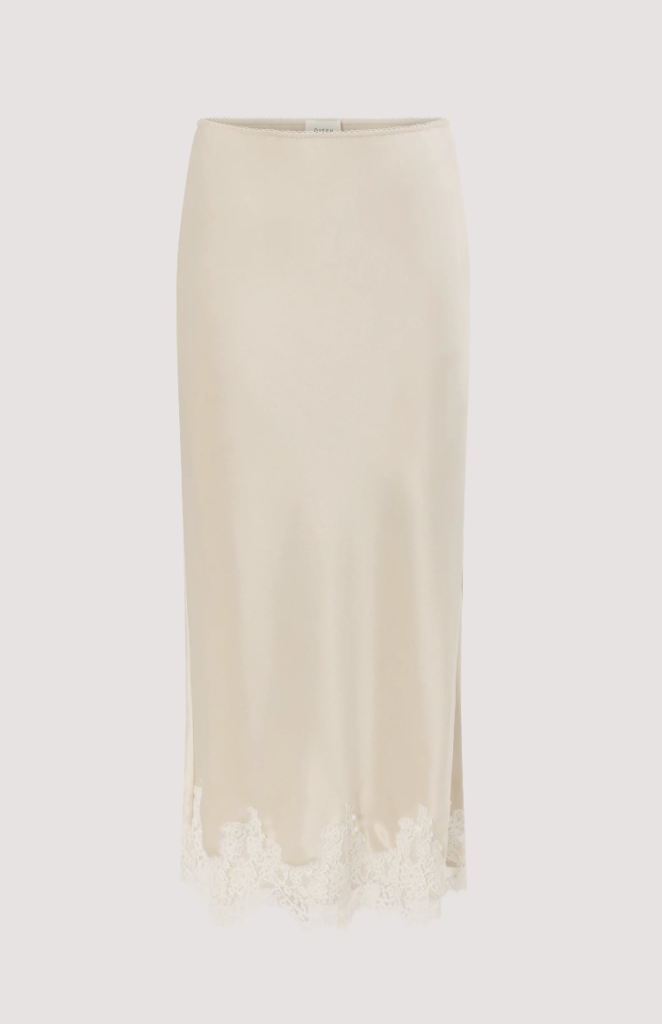
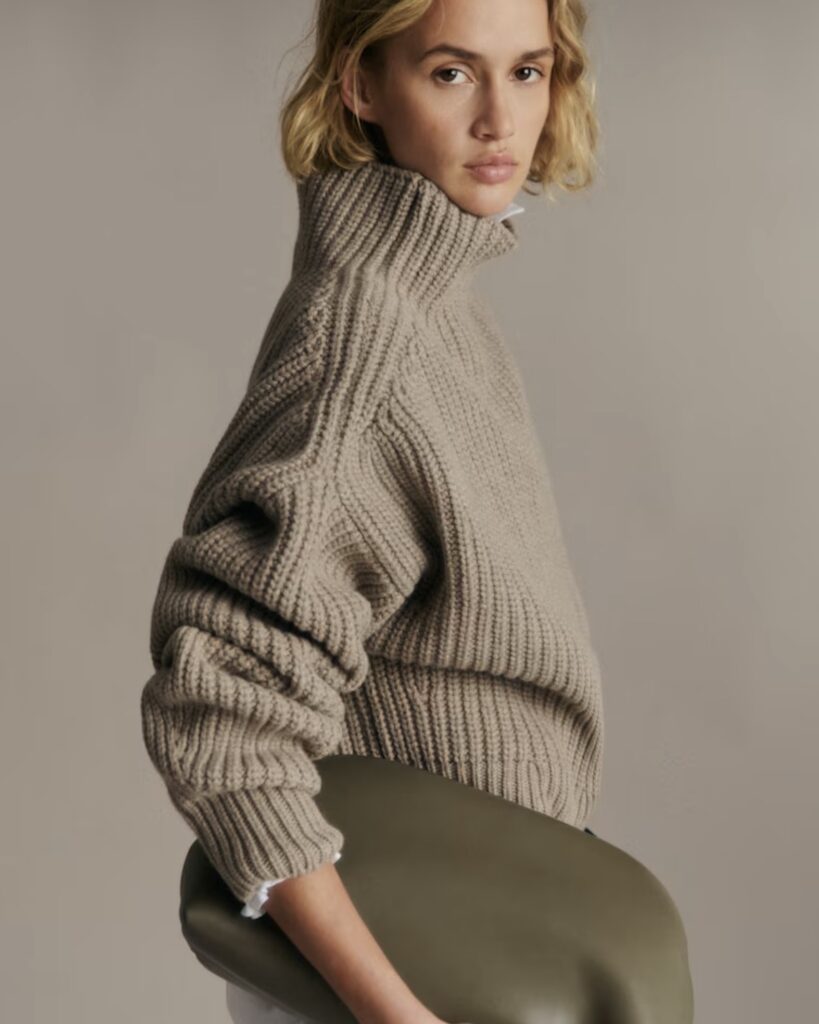
Once the order and the hemlines are right, the temptation is to add a fourth or fifth piece for interest. Reach for contrast in texture instead: a smooth silk layer under a nubbly knit, or a soft jersey dress under a structured leather jacket, gives an outfit visual interest that quantity alone never will. If an outfit feels flat, the fix is almost always a texture swap, not an extra layer.
Avoid Missing Out on the Temperature Swing Layer
Autumn’s real challenge isn’t the cold, it’s the swing — a sharp morning followed by a mild afternoon. Build in one piece designed to come off: a light cardigan, a gilet, or an unstructured blazer that still looks finished slung over an arm, tied at the waist, or draped over the back of a chair at lunch. Without it, you’re either overheating by midday or carrying something bulky with nowhere for it to go. It’s a small piece of planning, but it’s the difference between an outfit that works for the whole day and one that only works for a nice pic taken leaving the house.
Avoid Colours Pulling in All Directions
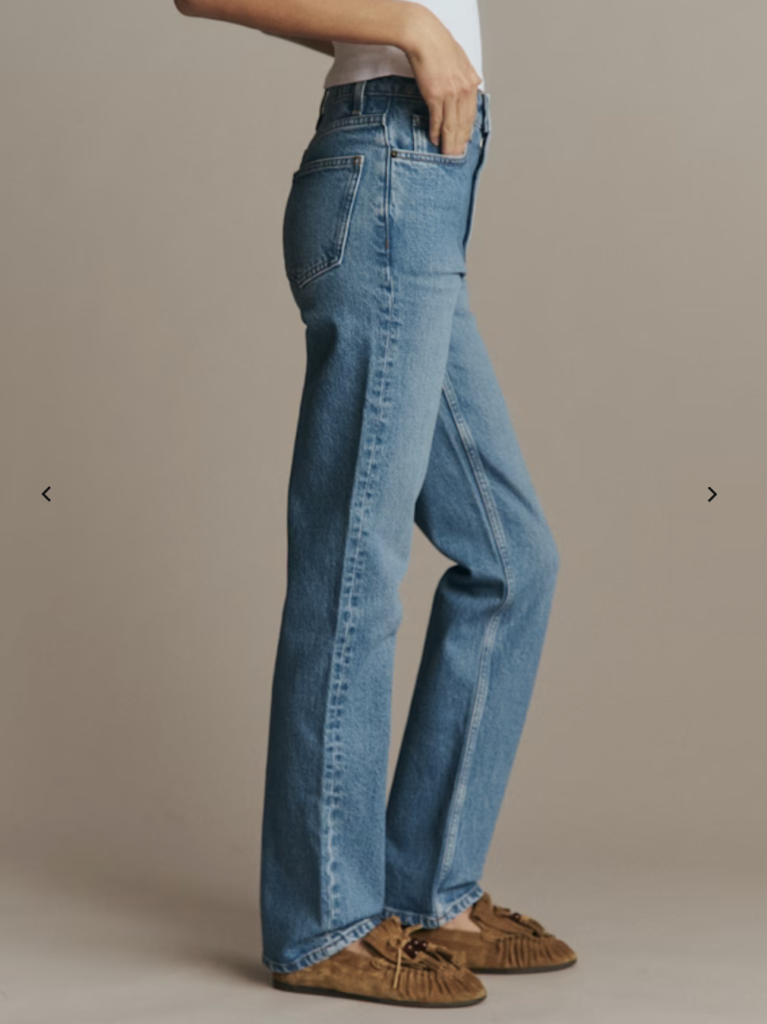
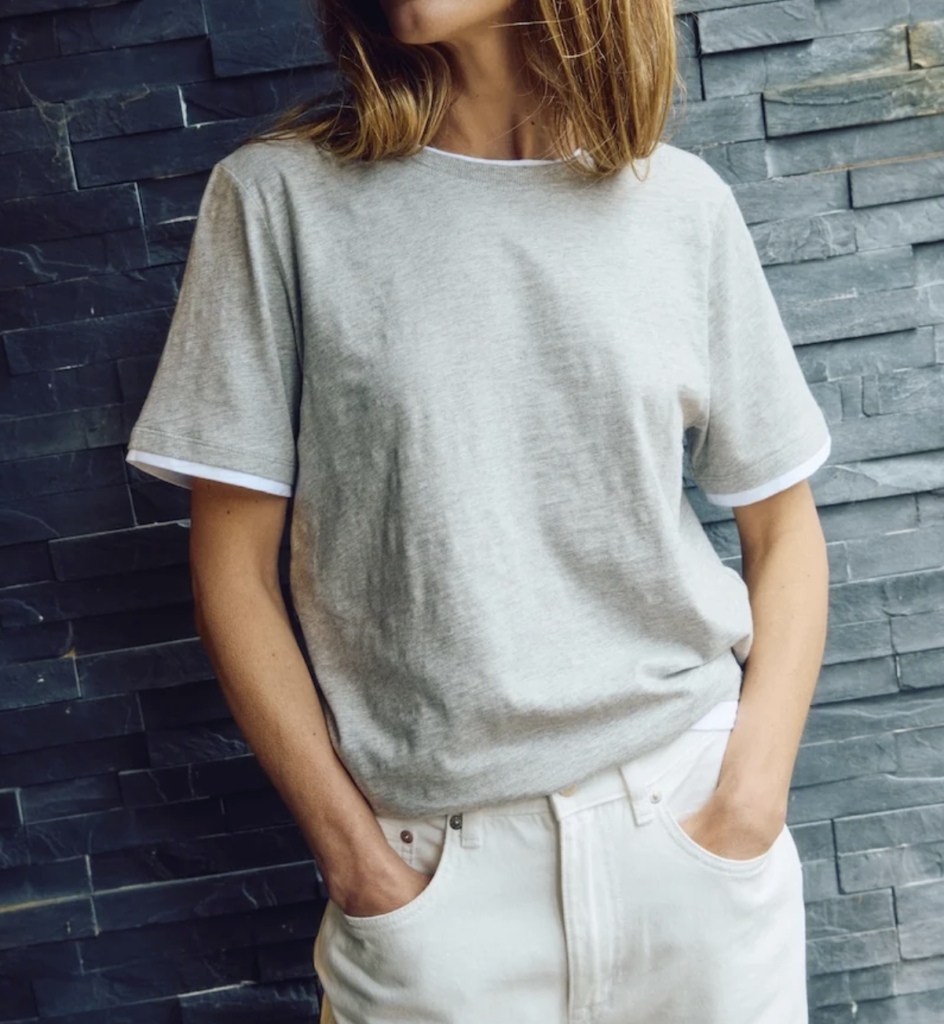
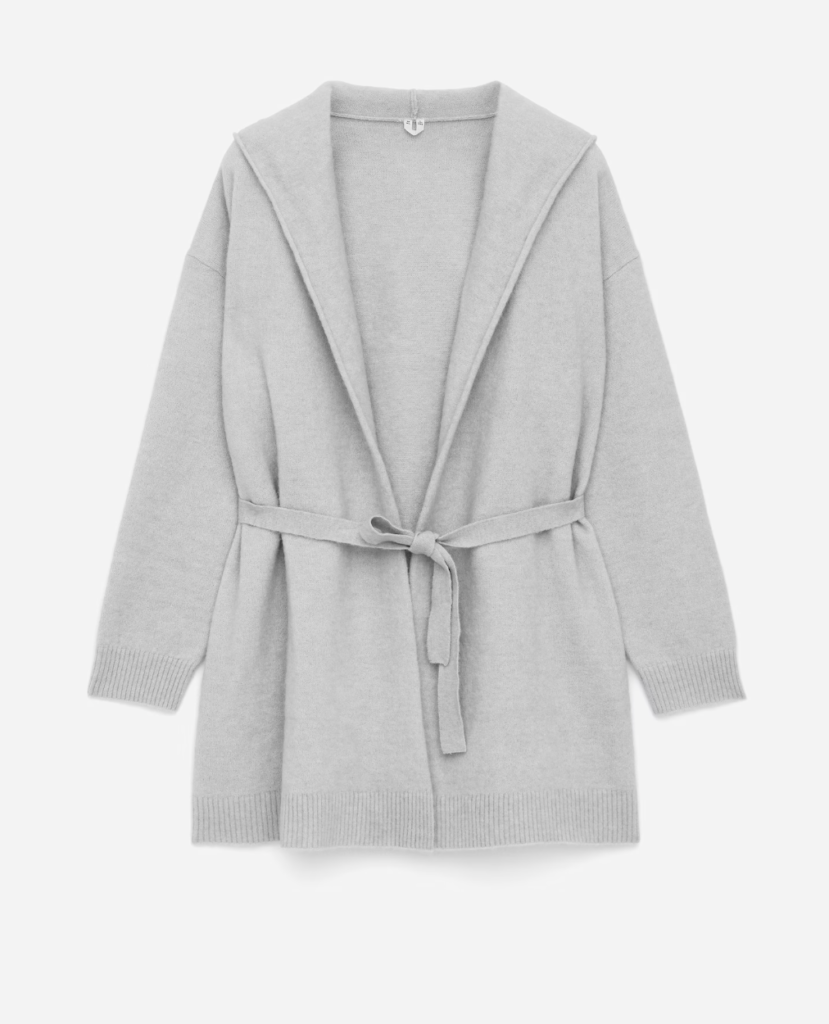
Layering pieces from unrelated colour families makes an outfit look like three separate decisions rather than one. Stay within the same or adjacent tones — camel, cream and chocolate; navy, grey and black — or pick a single deliberate contrast colour and repeat it once elsewhere, in a bag or a shoe. It’s often the fastest fix here: the pieces don’t change at all, only the combination does.
Avoid Overlooking Accessories When it Comes to Layering Your Outfits
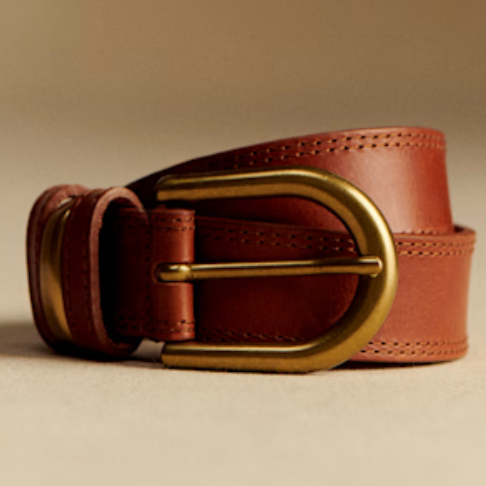
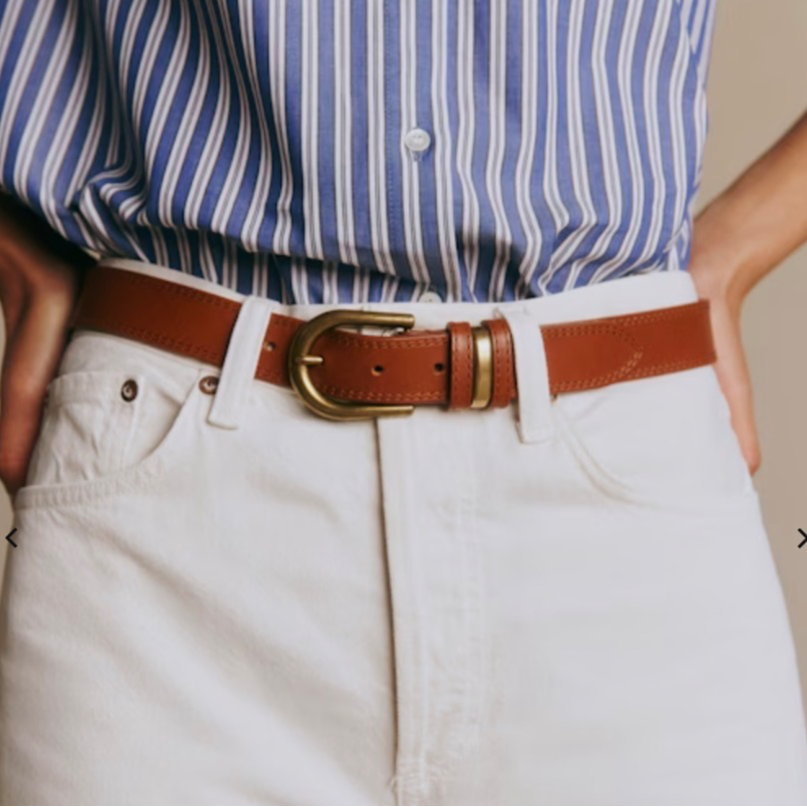
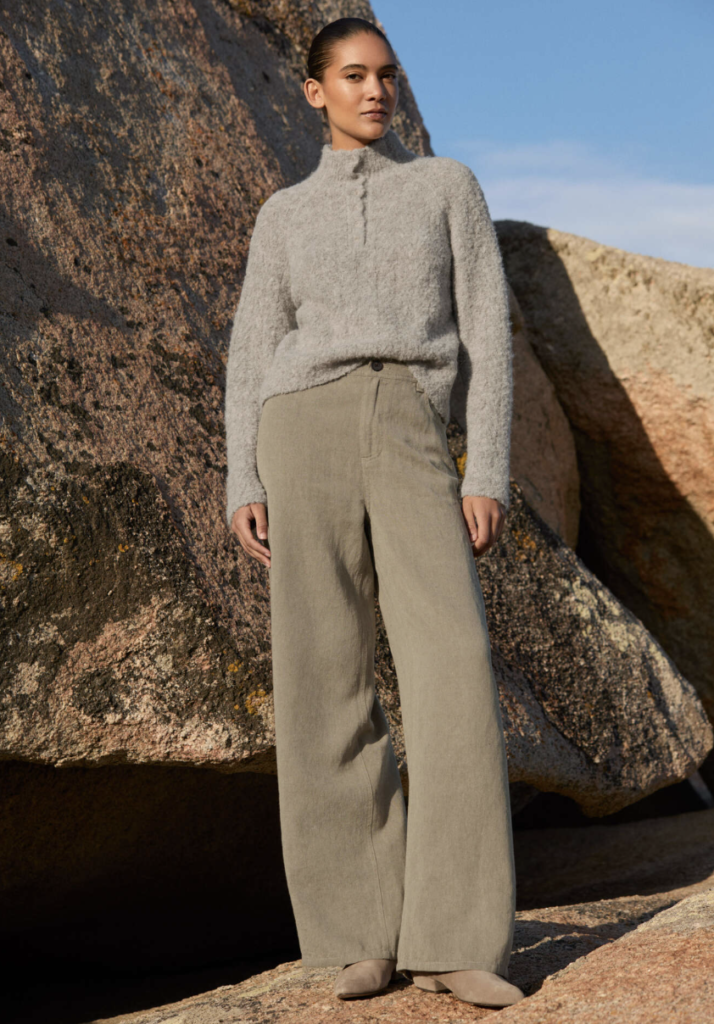
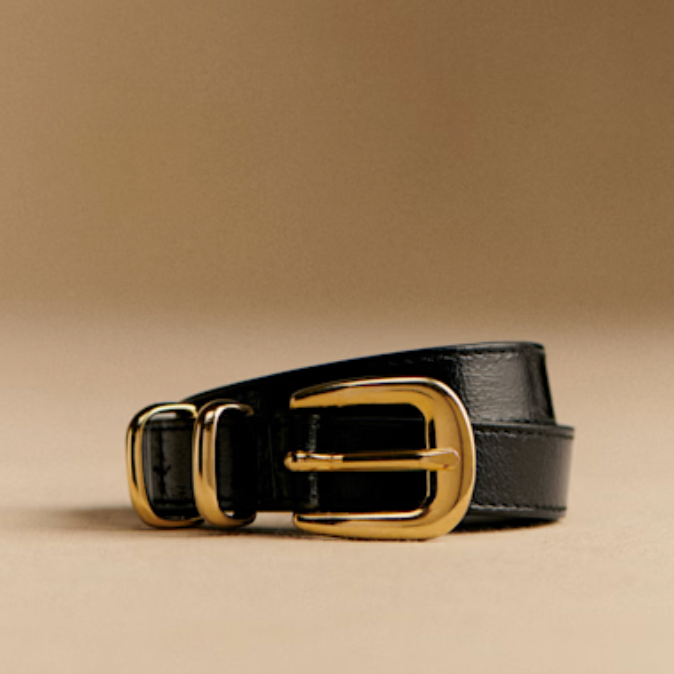
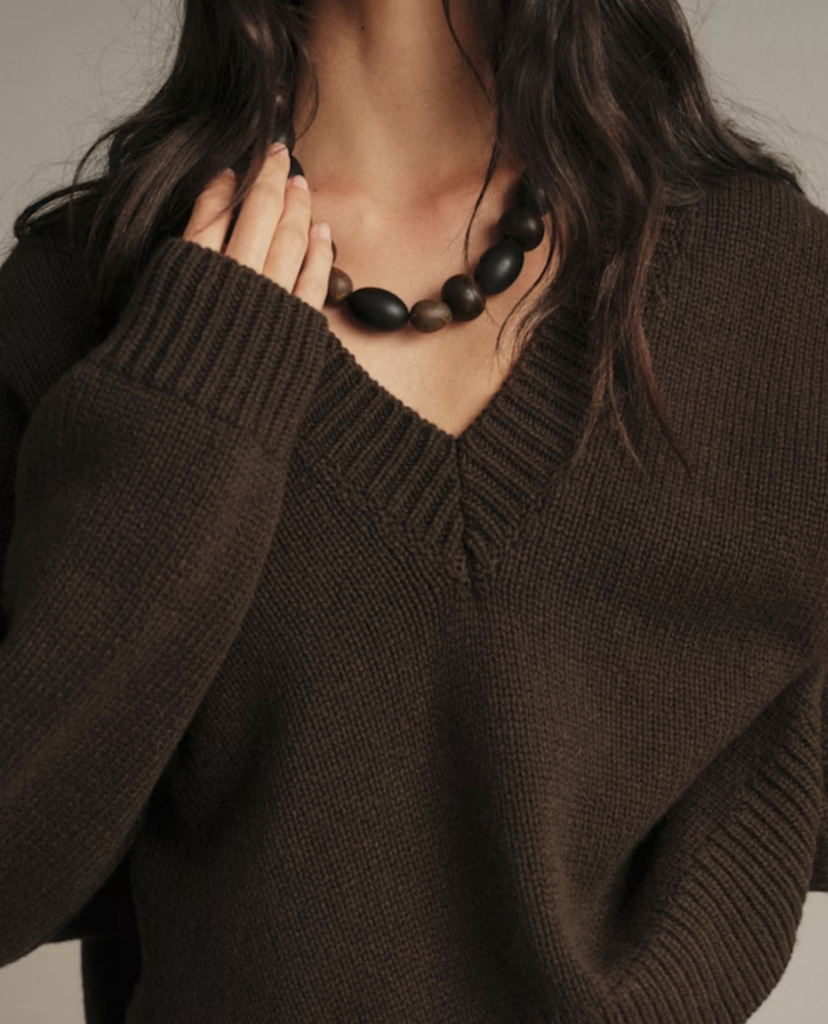
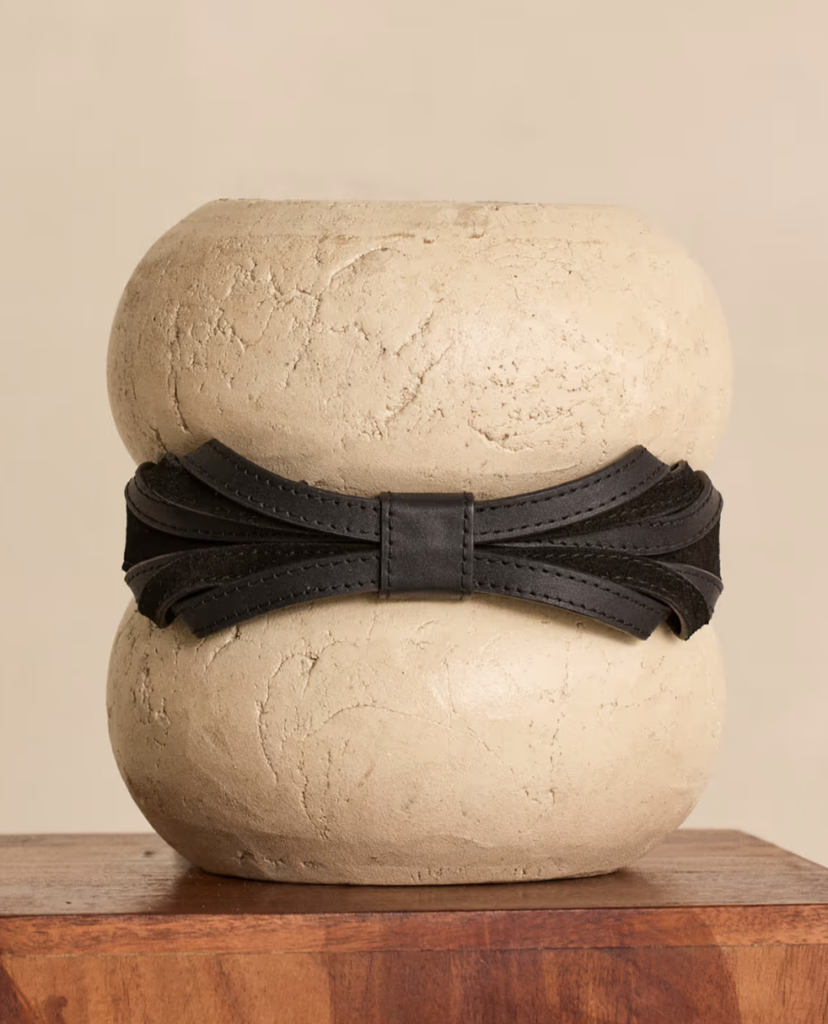
A scarf, a longer necklace, or a belt cinched over a looser middle layer adds definition and shape without adding bulk. This matters most once you’re already at three or four clothing layers and don’t want a fifth — an accessory gives you the same structure for a fraction of the weight, and it’s usually the easiest way to refresh an outfit you’ve already worn several times this Autumn.
Avoid Treating Your Footwear as an Afterthought
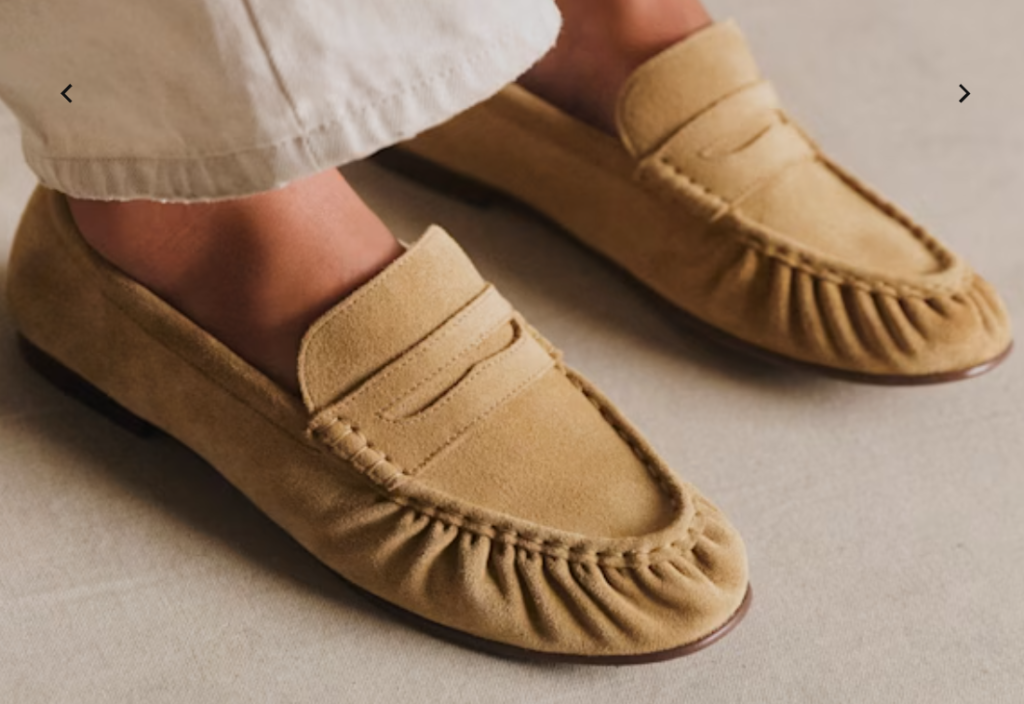
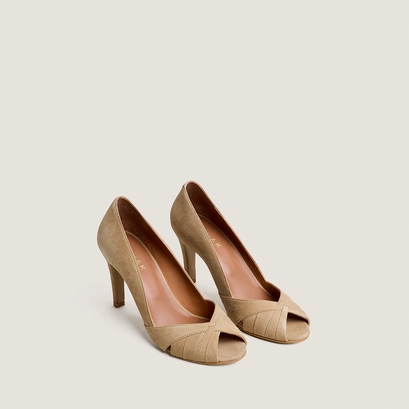
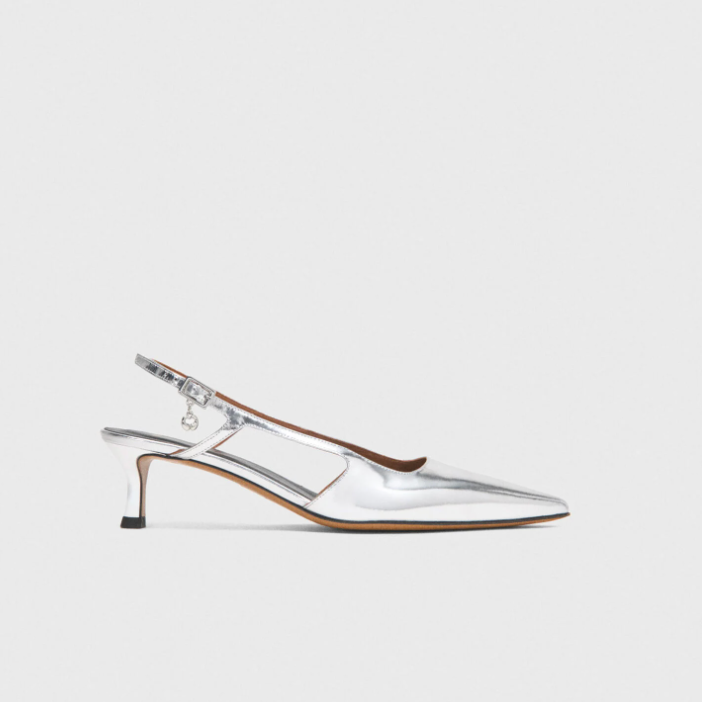
The most put-together layered outfit can be painfully undone by shoes that look like a last-minute decision. Treat your boots as much a considered choice as everything above them. They ground the whole look and are often the detail that signals real intention, rather than simply dressing for the weather. A good boot does more work here than an extra jumper ever will.
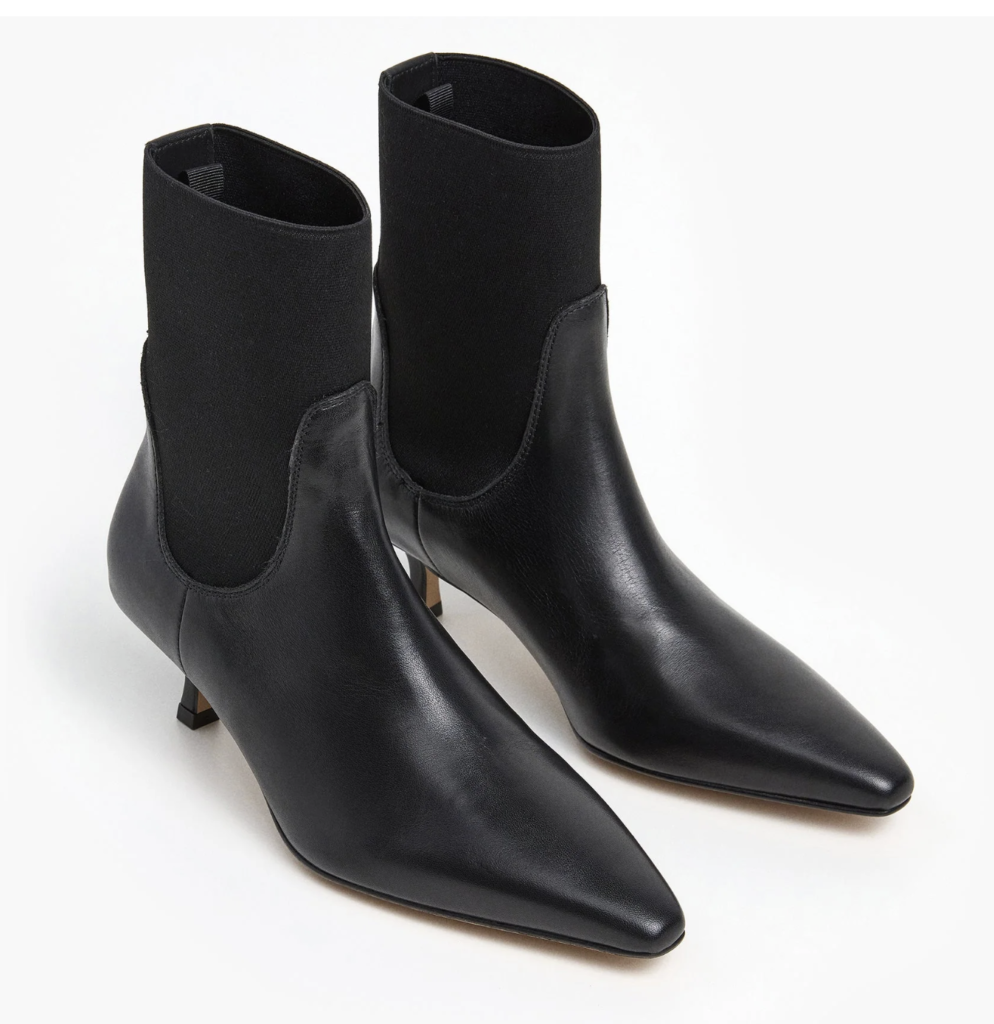
Put it all together and a typical Transitional-weather outfit might run: a silk cami (thin), a longer merino rollneck showing beneath it (thick, hem-varied), a cropped jacket doing the anchoring, a thin belt cinching the middle for shape, and ankle boots in a contrasting texture to the knitwear. Five pieces, one clear approach running through all of them — nothing here needed a new wardrobe, just a different order.
Layering well, in other words, isn’t about adding more clothes. It’s about getting the order right, choosing one piece to lead, and building in enough contrast, structure and finish that every layer earns its place.
Read Next
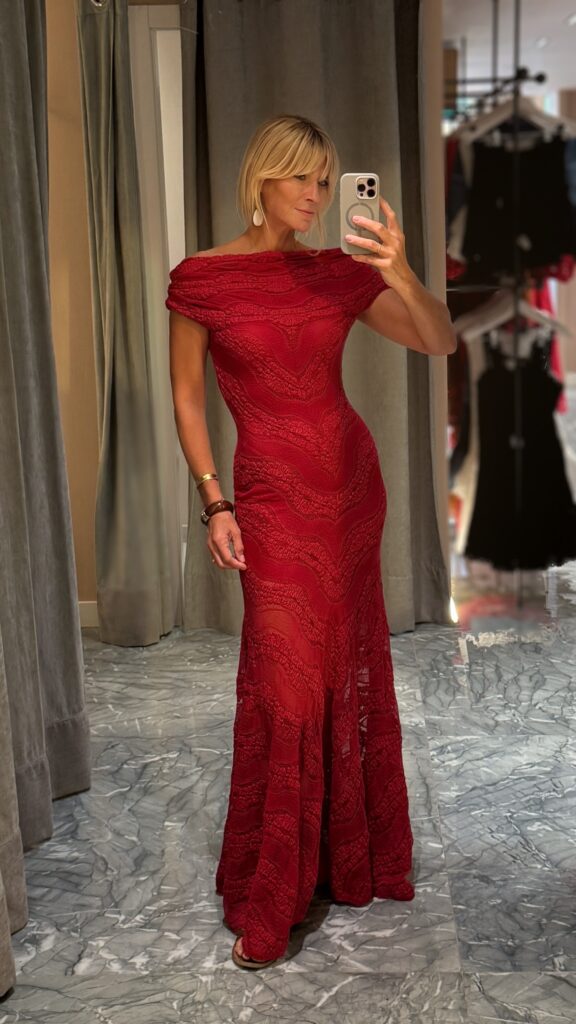 Shop The LookMy Read on Adding a Pop of Red Into Your Outfits
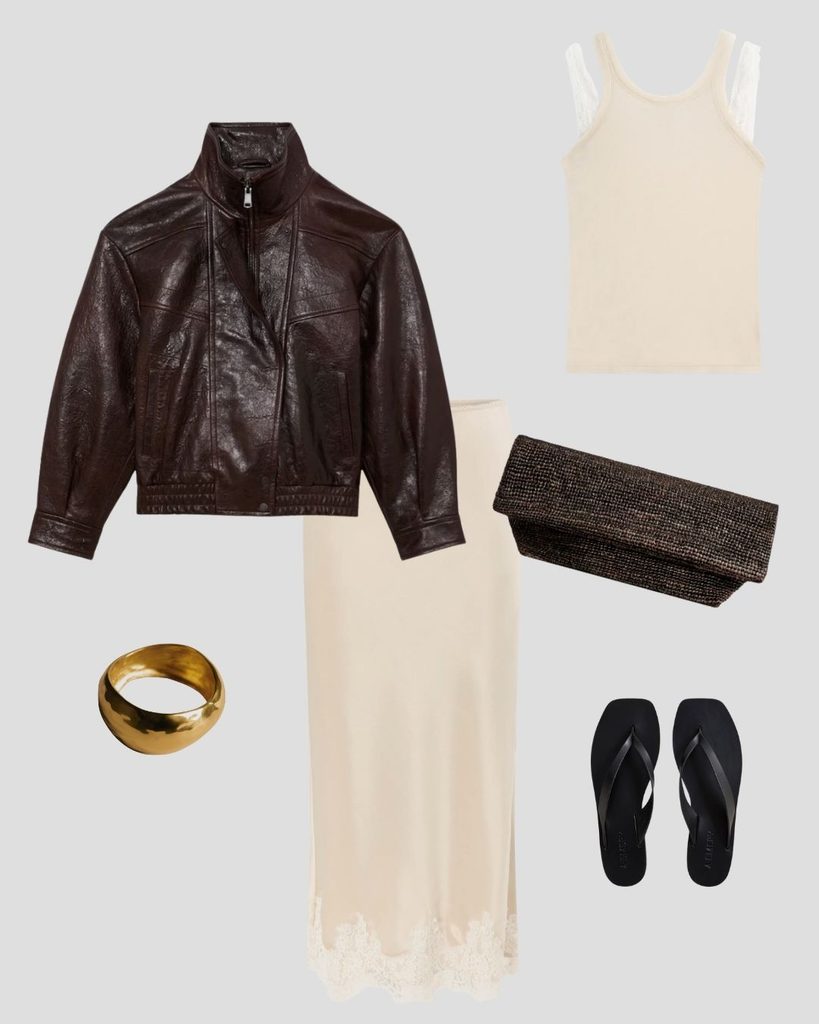 Fashion TrendsThe Lace-Trimmed Long Satin Skirt Is Here to Stay: 3 Ways to Style It for Transitional Autumn Weather
 Shop The LookOver 40? Apparently We Can’t Wear These…
MORE LOOKS
My Read on Adding a Pop of Red Into Your OutfitsOver 40? Apparently We Can’t Wear These… What Does Effortless Style Actually Mean?
 The Best Leather Jackets for Autumn 2026: My Top 10
 Life in Ibiza Lately E02 | Wearing, Seeing, Doing and New Hair!
 What to Avoid When Shopping the Sales and What to Look For?